 VapeWholesaleHub
Almond Ice Freight Forwarder Selection Notes — Before Your Next Order
Buyers often ask us to explain why two almond ice samples that look identical behave differently after a month. The answer is almost always tolerance control, and it is more interesting than it sounds.
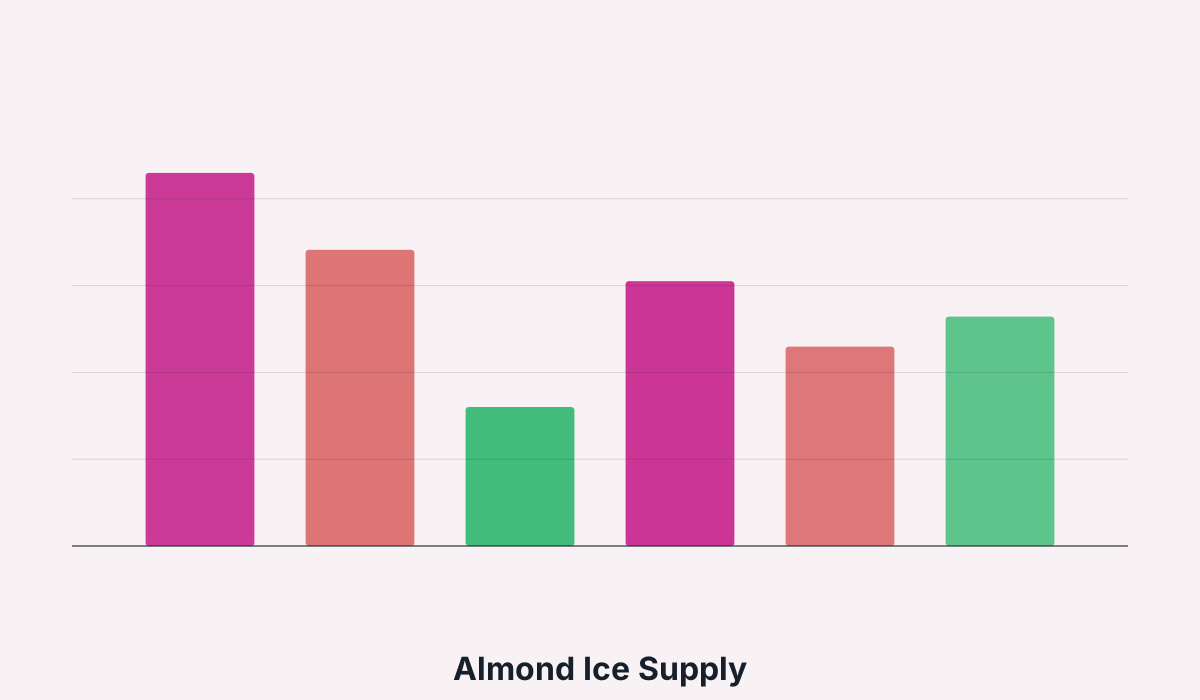
Reading a Almond Ice Spec Sheet
Ask any factory for the same almond ice sample twice, three months apart. If the second sample drifts, the production line is running without statistical control and your reviews will drift with it. Consistency over time is a more useful signal than a single good sample.
| Product category | Disposable |
|---|---|
| Resistance band | 1.0 - 1.2 ohm |
| Capacity tolerance | +/- 2% |
| Puff count method | Machine cycle 3s on / 27s off |
| Master carton | 400 units |
| Carton weight | 7.0 kg |
| Shelf life | 24 months |
| Storage | 15-25 C, dry, away from direct light |
Positioning Almond Ice on Your Shelf
Before anything else, decide which customer you are buying almond ice for. A convenience counter with limited shelf depth needs a tight range that turns quickly, while a specialist shop can carry a deeper ladder of options and educate buyers into higher ticket lines.
Turning Almond Ice Into Repeats
Staff knowledge moves almond ice more than any fixture. A two minute explanation of the difference between this line and the one next to it converts a browsing shopper into a repeat buyer far more reliably than a discount.
Where Demand Is Heading
Expect almond ice packaging requirements to keep tightening. Designs that leave room for additional labelling age better than tight layouts that need a full reprint to comply.
Flavour cycles in almond ice are shortening, which argues for smaller test orders and faster feedback loops rather than large speculative buys on a predicted winner.
Pricing and Margin
The cheapest almond ice quote is rarely the cheapest outcome. Add freight, defect handling, delay risk and the staff time spent chasing, then compare again. The ranking often changes.
Indicative reference points for planning purposes: entry tier from USD 1.08 per unit at 2000 units, mid tier at USD 1.39, and volume tier at USD 0.65 for full container quantities. These figures move with specification, packaging and freight, so treat them as a shape rather than a quote.
Inspection Before Dispatch
Random checks are fine, but weight the sample towards the start and end of a almond ice production run. Those are where a line is most likely to drift.
Set the almond ice complaint threshold in the contract before you need it. Deciding what counts as an acceptable defect rate during a dispute is the worst possible time to negotiate it.
- Check carton dimensions against your freight quote before confirming.
- Keep sealed retained samples from every production batch.
- Start with a mixed carton and let your own sell-through decide.
- Rotate stock by batch code rather than by delivery date.
- Confirm the current customs classification with your own broker.
Practical Checklist
- Agree the tolerance band in writing before approving artwork.
- Start with a mixed carton and let your own sell-through decide.
- Plan the switch from air to sea freight before you need it.
- Ask how the factory measures puff count, then compare like with like.
- Confirm the current customs classification with your own broker.
- Write the complaint threshold into the order terms.
Frequently Asked Questions
What information do you need to quote?
Target specification, approximate quantity, destination and any packaging requirement. With those four we can usually come back with a costed option the same working day rather than a request for more information.
What happens if my market changes its rules?
Regulations move, and packaging or documentation sometimes has to follow. We keep approved artwork files on hand so that a required change is a reprint rather than a redesign, which keeps the cost and delay down.
How should almond ice be stored?
Cool, dry and out of direct sunlight. Heat and light are the two things that shorten shelf life fastest. Rotate stock by batch code rather than by arrival date, and keep cartons off concrete floors in humid warehouses.
How long does a almond ice order take to arrive?
Production typically takes ten to eighteen working days after artwork approval, and transit depends on the method you choose. Air express is fastest, sea freight is cheapest at volume. We confirm both at quotation so there is no surprise later.
Next Step
Send us your current almond ice specification even if you are not planning to move suppliers. A second read of a document you use every month is usually worth the ten minutes.
Related Reading
- Almond Ice Monthly Review Ritual for Buyers — First-Time Importers
- Almond Ice Humidity Control in Coastal Warehouses — Private Label Programmes
- Almond Ice Distributor Onboarding Steps — Multi-Warehouse Networks
- What a Almond Ice Production Slot Really Means — the Middle East
- Almond Ice Lead Time Buffers That Actually Work — Cash-and-Carry Formats
- Almond Ice Contract Clauses Worth Negotiating — Specialist Vape Shops