 VapeWholesaleHub
Almond Ice Supplier Scorecard Template — Entry-Level Price Points
The price difference between two almond ice quotes is often smaller than the cost of one failed shipment. This overview is written for buyers who would rather understand the failure modes up front than discover them after customs clearance.
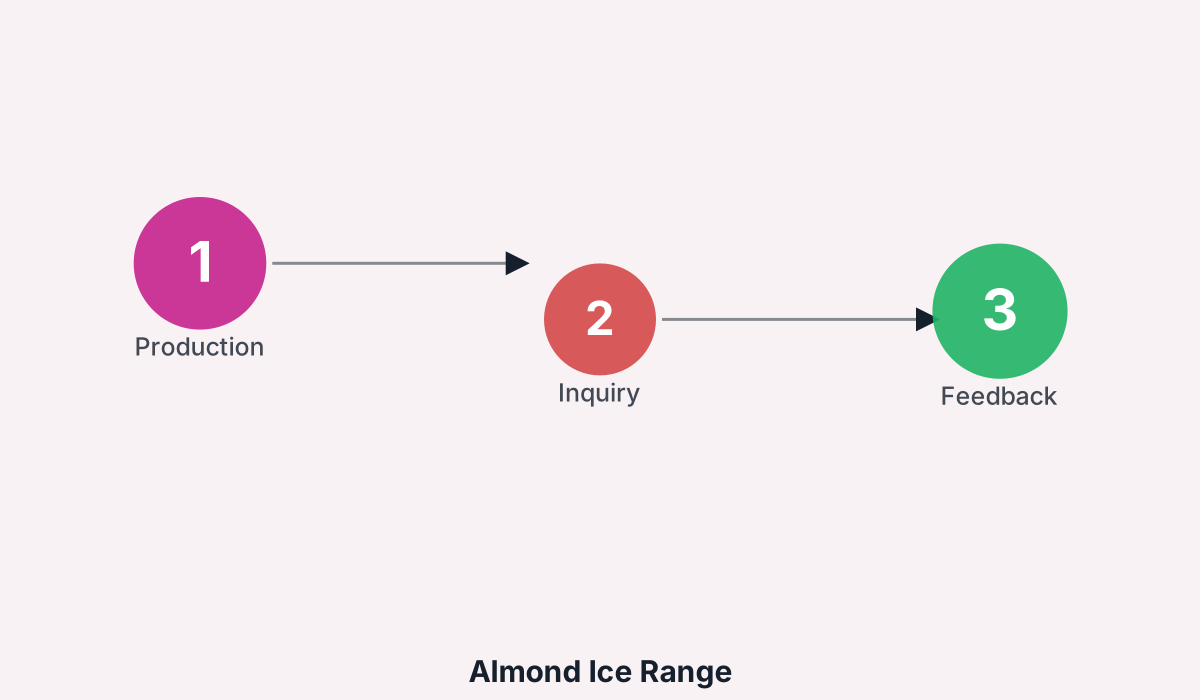
Freight, Customs and Timing
Consolidating almond ice with other lines is often the biggest single saving available to a mid size importer. The unit cost does not change but the landed cost does, sometimes materially.
Track almond ice landed cost per unit as a running number, including duty and local delivery. It is the only figure that tells you whether a supplier change actually improved anything.
Modelling a Healthy Margin
When you model almond ice pricing, build in a realistic shrink figure. Even a well run line loses a small percentage to damage, expiry and sampling. Pretending that number is zero is how a healthy looking margin turns negative.
When you model almond ice pricing, build in a realistic shrink figure. Even a well run line loses a small percentage to damage, expiry and sampling. Pretending that number is zero is how a healthy looking margin turns negative.
Indicative reference points for planning purposes: entry tier from USD 2.27 per unit at 2000 units, mid tier at USD 1.47, and volume tier at USD 1.16 for full container quantities. These figures move with specification, packaging and freight, so treat them as a shape rather than a quote.
Market Signals
The most durable almond ice lines over the last few years have been unglamorous and consistent. Novelty sells once; reliability sells every month.
Flavour cycles in almond ice are shortening, which argues for smaller test orders and faster feedback loops rather than large speculative buys on a predicted winner.
Merchandising and Listing Tips
Rotate almond ice facing rather than price for the first month. Visibility changes sell-through more reliably than a small discount, and it does not train customers to wait for offers.
Staff knowledge moves almond ice more than any fixture. A two minute explanation of the difference between this line and the one next to it converts a browsing shopper into a repeat buyer far more reliably than a discount.
Inspection Before Dispatch
Inspection is only useful if the result is recorded somewhere you can find it later. A almond ice batch log with weights, codes and measurements turns a future complaint into a five minute lookup.
Inspection is only useful if the result is recorded somewhere you can find it later. A almond ice batch log with weights, codes and measurements turns a future complaint into a five minute lookup.
- Confirm the current customs classification with your own broker.
- Ask how the factory measures puff count, then compare like with like.
- Agree the tolerance band in writing before approving artwork.
- Rotate stock by batch code rather than by delivery date.
- Write the complaint threshold into the order terms.
Practical Checklist
- Write the complaint threshold into the order terms.
- Rotate stock by batch code rather than by delivery date.
- Plan the switch from air to sea freight before you need it.
- Agree the tolerance band in writing before approving artwork.
- Start with a mixed carton and let your own sell-through decide.
- Model landed cost, not ex-works price, when comparing quotes.
Frequently Asked Questions
Can you match an existing product I already sell?
Often yes, provided we can measure it properly. Send a physical sample and we will report back on what can be matched, what will differ slightly, and why. An honest gap is more useful than a vague promise.
How are price changes handled on repeat orders?
{K} pricing is reviewed against input costs and volume rather than adjusted casually. Any change is confirmed in writing before the next order is scheduled, with the reason stated so you can judge it yourself.
What information do you need to quote?
Target specification, approximate quantity, destination and any packaging requirement. With those four we can usually come back with a costed option the same working day rather than a request for more information.
What is the usual minimum order for almond ice?
For a standard production run the minimum is normally one master carton per flavour, though mixed cartons can be arranged for a first order. If you are testing the line, ask about a sample pack first and treat the freight as part of your research budget.
Is there support for in-store material?
Yes. Shelf talkers, counter cards and simple planogram suggestions are available for almond ice ranges that reach a sensible volume. Most retailers find the plain strength and flavour cards do the most work.
Next Step
Start smaller than feels comfortable, measure honestly, then scale what worked. That sequence has saved more of our customers money than any negotiation tactic we could suggest.
Related Reading
- Almond Ice Tooling and Moulding Cost Structures — Latin America
- Almond Ice Currency and Payment Risk Basics — Multi-Warehouse Networks
- Almond Ice Colour Matching Across Production Runs — Before Your Next Order
- Almond Ice Warranty and After Sales: Setting Expectations — Step by Step
- Almond Ice Compliance Basics for Importers — a Factory Floor View
- Almond Ice Copy That Answers Buyer Objections — Before Your Next Order