 VapeWholesaleHub
What a Almond Ice Production Slot Really Means — North America
Most first time importers of almond ice ask the same five questions. This page answers them in the order they usually arrive, with the numbers we quote internally rather than round marketing claims.
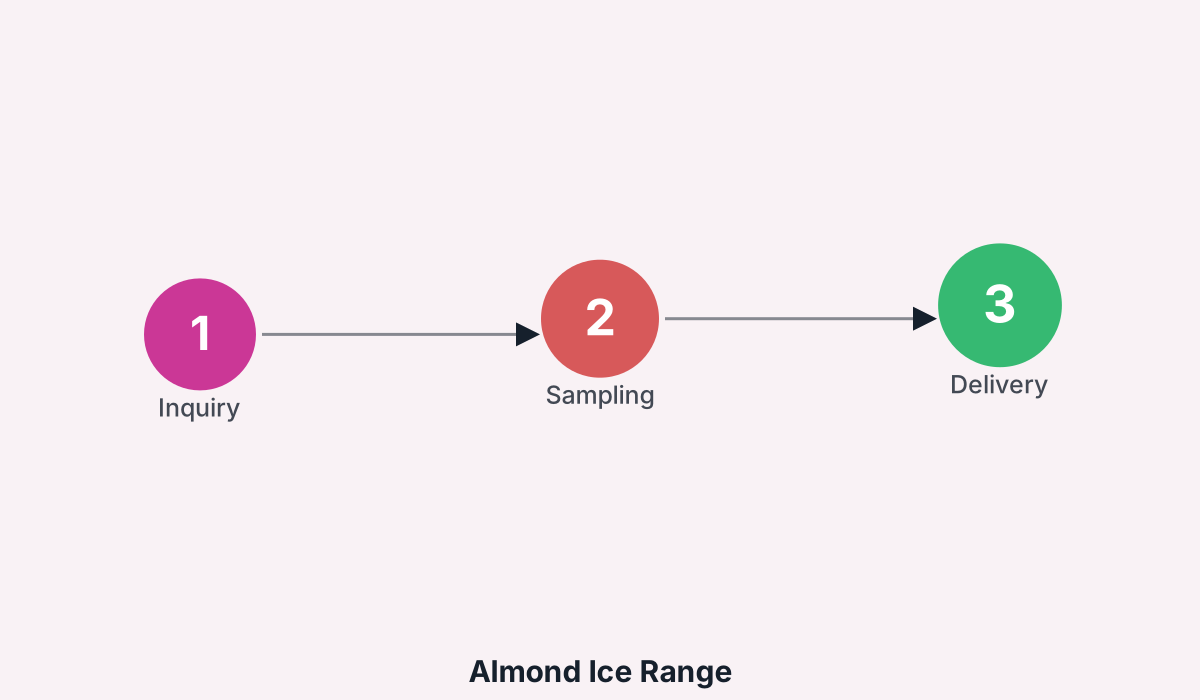
How Almond Ice Batches Are Checked
Incoming inspection for almond ice is not about opening boxes at random. We weigh a sample of cartons, check batch codes against the production record, run a draw resistance measurement, and log the results so that a complaint three months later can be traced to a specific run.
AQL sampling gets a lot of attention, but for almond ice the more useful habit is simply measuring the same three things on every single batch. Trend lines catch problems that pass/fail checks miss.
- Plan the switch from air to sea freight before you need it.
- Agree the tolerance band in writing before approving artwork.
- Confirm the current customs classification with your own broker.
- Model landed cost, not ex-works price, when comparing quotes.
- Rotate stock by batch code rather than by delivery date.
Where Almond Ice Sits in the Range
Category data for almond ice is noisier than it looks. Promotions, weather and local competition all move weekly numbers, so read three months at a time rather than reacting to a single week.
One useful exercise: list every almond ice line you stock and mark the last date each one sold at full price. Anything without a recent full price sale is taking space from something that would use it better.
Trends Worth Watching
Expect almond ice packaging requirements to keep tightening. Designs that leave room for additional labelling age better than tight layouts that need a full reprint to comply.
One visible change in almond ice is the move towards clearer labelling and traceability. Retailers who adopted batch coding early are finding it much easier to work with larger distributors now.
Logistics That Protect Margin
Carton dimensions for almond ice are a design decision, not a packing afterthought. A few centimetres on the master carton can change how many units fit a pallet, and that repeats on every order.
What to Fix Before Approving Almond Ice
Specification sheets are where a almond ice deal is won or quietly lost. Two samples can look and taste the same while using different coil wire, different wicking density and different tolerances on the mouthpiece. Those details decide how the unit behaves in week three rather than minute three.
| Product category | Disposable |
|---|---|
| Resistance band | 0.8 - 1.0 ohm |
| Capacity tolerance | +/- 3% |
| Puff count method | Declared by capacity |
| Master carton | 100 units |
| Carton weight | 7.8 kg |
| Shelf life | 24 months |
| Storage | 15-25 C, dry, away from direct light |
Modelling a Healthy Margin
Discounting almond ice to win shelf space tends to reset customer expectations permanently. Volume support in kind, such as display material, usually costs less in the long run.
Margin on almond ice is rarely lost at the till. It is lost through dead stock, returns and emergency air freight. A slightly higher landed cost with predictable lead time usually beats the cheapest quote on the spreadsheet.
Indicative reference points for planning purposes: entry tier from USD 1.73 per unit at 500 units, mid tier at USD 1.41, and volume tier at USD 1.29 for full container quantities. These figures move with specification, packaging and freight, so treat them as a shape rather than a quote.
Practical Checklist
- Model landed cost, not ex-works price, when comparing quotes.
- Plan the switch from air to sea freight before you need it.
- Ask how the factory measures puff count, then compare like with like.
- Write the complaint threshold into the order terms.
- Agree the tolerance band in writing before approving artwork.
- Keep sealed retained samples from every production batch.
Frequently Asked Questions
What if a batch does not match the sample?
Keep the retained samples from the approval stage. If a delivered batch measurably differs, we compare against the retained set and resolve it against the production record. This is why we insist on sealed retained units from every run.
What information do you need to quote?
Target specification, approximate quantity, destination and any packaging requirement. With those four we can usually come back with a costed option the same working day rather than a request for more information.
Is there support for in-store material?
Yes. Shelf talkers, counter cards and simple planogram suggestions are available for almond ice ranges that reach a sensible volume. Most retailers find the plain strength and flavour cards do the most work.
Do you hold stock for regular customers?
For established programmes we can reserve production slots and, in some cases, hold finished almond ice stock against a forecast. It removes most of the lead time risk from a reorder and is worth discussing once volumes are stable.
Next Step
The best almond ice programmes we see are run by buyers who write things down. Specifications, batch records, complaint thresholds - the paperwork is the advantage.
Related Reading
- Seasonal Planning for Almond Ice Inventory — New Distributors
- Almond Ice vs Standard Alternatives: What Changes for Your Shelf — Premium Shelf Programmes
- Almond Ice Airflow Design and Customer Perception — Oceania
- Almond Ice Dual Sourcing Without Losing Consistency — Seasonal Demand Peaks
- Almond Ice Warehouse Picking and Batch Rotation — Replenishment Cycles
- Almond Ice Temperature Exposure During Transit — Updated for 2026